
Falling in love is easy. Staying in love, year after year, through mortgages, kids, careers, and the slow creep of routine, is the real challenge. Yet couples who’ve been together for decades often describe a bond that’s richer than anything they felt in the early days — not because the spark disappeared, but because they learned how to keep tending it. Romance after the honeymoon phase isn’t about grand gestures; it’s about small, consistent choices that remind your partner they’re still seen, still wanted, and still chosen. Here’s how to keep that flame burning, no matter how many years you’ve clocked together.
Why Romance Fades Over Time
Romance doesn’t disappear because love fades — it fades because attention shifts. Early in a relationship, your partner is the center of your world. Over time, careers, children, finances, and daily logistics compete for that same attention, and intimacy quietly slides down the priority list. Comfort can also work against couples: familiarity breeds a kind of autopilot where partners stop actively “dating” each other because the relationship feels secure. Understanding this isn’t a reason to worry — it’s simply a reminder that romance, like fitness or friendship, needs ongoing maintenance rather than a one-time investment.
Rediscover the Power of Small Gestures
You don’t need a five-star dinner to feel romantic. Research on long-term couples consistently shows that small, repeated acts of affection matter more than occasional big ones. A handwritten note left on the counter, a favorite snack picked up on the way home, or simply putting your phone down when your partner walks in the room — these micro-moments accumulate into a feeling of being cherished. Try building a daily ritual: a six-second kiss before leaving for work, a compliment at dinner, or a quick “thinking of you” text in the middle of the day. Consistency beats grandeur every time.
Prioritize Quality Time Over Screen Time
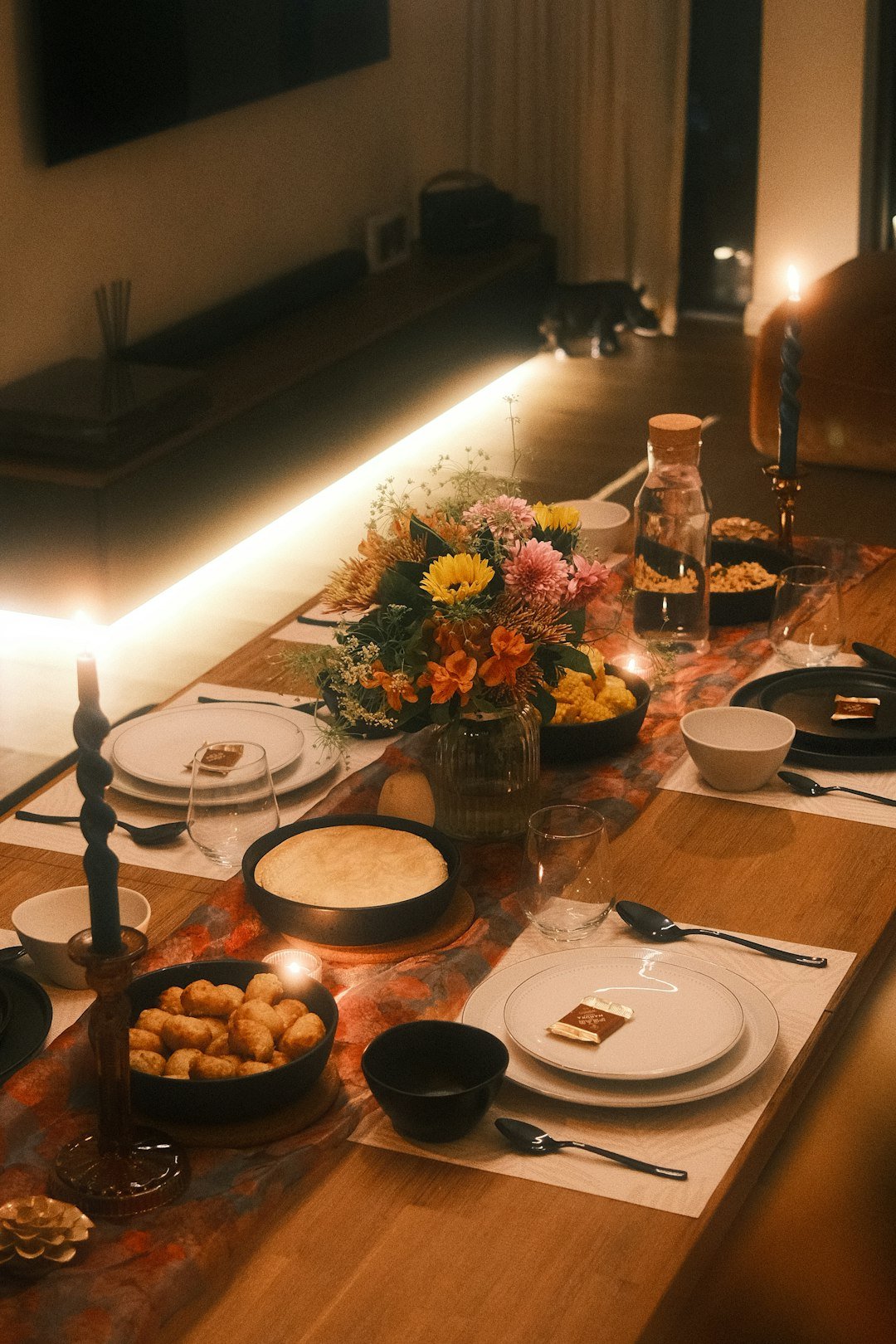
One of the biggest romance-killers in modern relationships is parallel living — sitting in the same room but each absorbed in a different screen. Reclaiming quality time doesn’t require a huge time commitment. Set aside even 20 uninterrupted minutes a day to talk without phones, TV, or distractions. Schedule a weekly date night, even if it’s just cooking together at home. The goal isn’t the activity itself; it’s giving your partner your undivided attention, which is increasingly rare — and increasingly valuable — in a hyperconnected world.
Keep the Communication Honest and Open
Long-term couples who stay romantically connected tend to be the ones who never stop talking — really talking, not just logistics about groceries and schedules. Make space for conversations about dreams, fears, frustrations, and appreciation. Practice active listening: put down what you’re doing, make eye contact, and resist the urge to jump to solutions before your partner finishes speaking. Regular check-ins, whether a Sunday morning coffee chat or a monthly “relationship review,” help surface small issues before they calcify into resentment, and they create the emotional safety that romance depends on.
Reignite Physical Intimacy
Physical affection often gets deprioritized as life gets busier, but touch is one of the most powerful bonding tools available to couples. This isn’t only about sex — hand-holding, hugging, cuddling on the couch, or a lingering goodbye kiss all release oxytocin, the hormone associated with closeness and trust. If your intimate life has cooled, talk about it openly and without blame. Scheduling intimacy might sound unromantic, but for busy couples, planning time for connection often works better than waiting for spontaneity that never comes.
Try New Experiences Together
Psychologists point to a concept called “self-expansion theory,” which suggests that couples feel more passion when they grow and learn together. Novelty triggers the same brain chemistry associated with early-stage romance. Take a dance class, plan a spontaneous weekend trip, cook a cuisine you’ve never tried, or pick up a shared hobby like hiking or pottery. Shared adventures — even small ones, like exploring a new neighborhood restaurant — create fresh memories and inside jokes that keep the relationship feeling alive rather than repetitive.
Celebrate Milestones and Create New Traditions
Anniversaries and birthdays matter, but don’t stop there. Create your own traditions: a monthly “no-agenda” date, an annual weekend getaway, or a yearly ritual of writing letters to each other to open on a future date. These rituals give couples something to look forward to and reinforce a shared identity as “us” rather than two people simply cohabiting. Revisiting old memories together — looking through old photos or retelling the story of how you met — can also rekindle the emotional highs of your early relationship.
Give Each Other Space to Grow
Paradoxically, one of the best ways to keep romance alive is to maintain some independence. Couples who keep their own friendships, hobbies, and personal goals bring more energy and interesting conversation back into the relationship than those who merge into a single identity. Supporting your partner’s individual growth — cheering them on in a new career move, a fitness goal, or a creative pursuit — builds respect and admiration, two ingredients that quietly fuel long-term attraction.
Seek Help When You Need It
There’s no shame in bringing in outside support. Couples counseling or relationship coaching isn’t reserved for marriages in crisis — many strong couples use it proactively, the way people use a personal trainer to stay fit. A neutral third party can help you communicate more effectively, understand each other’s love languages, and navigate transitions like parenthood, career changes, or empty-nest years. If your relationship has hit a rough patch, treating it as a sign to seek guidance — rather than a verdict on the relationship itself — often leads to renewed closeness.
Final Thoughts
Keeping romance alive after years together isn’t about recreating the intensity of your first date — it’s about building a deeper, more intentional kind of connection that only comes with time. Small daily gestures, honest communication, shared novelty, and mutual respect for each other’s individuality all compound over the years into something early-stage romance can’t match: a partnership that feels like home. The couples who stay in love long-term aren’t the ones who never stopped feeling the spark — they’re the ones who kept choosing to fan it, one small act at a time.